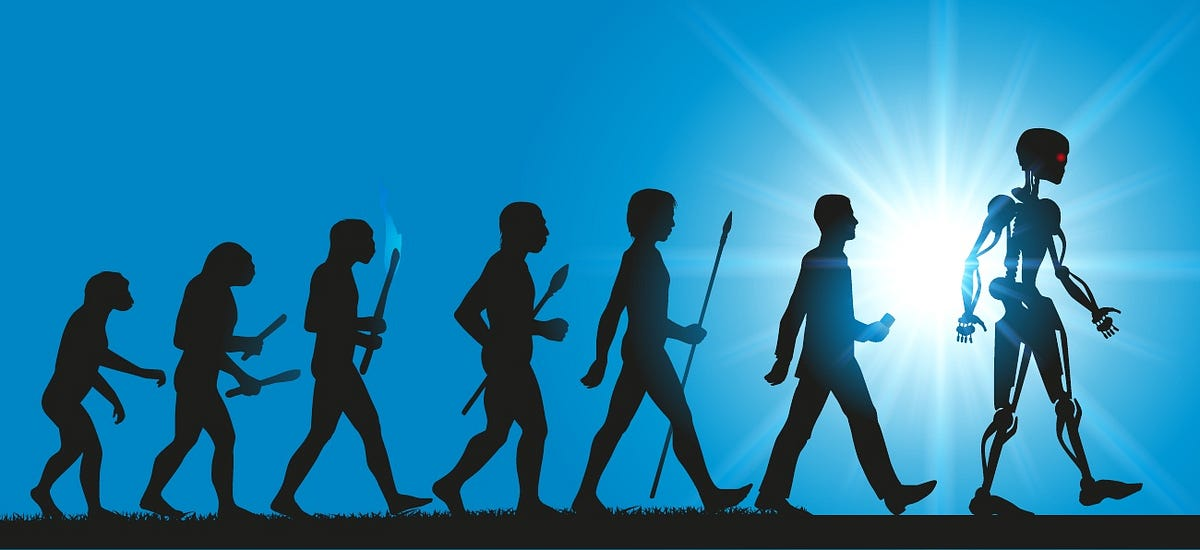
The Ethics of Artificial Intelligence – Navigating the Fine Line Between Innovation and Responsibility


As artificial intelligence (AI) continues its meteoric rise across every facet of modern life—from finance and healthcare to education and entertainment—one conversation grows increasingly urgent: ethics. The ethical implications of AI are not just philosophical debates reserved for academics; they have real-world consequences that impact individuals, institutions, and societies at large.
A Double-Edged Sword
Artificial intelligence holds immense promise. It can help doctors diagnose diseases faster, automate tedious tasks in industries, reduce human error, personalize education, and even forecast natural disasters. But it is also a double-edged sword.
AI systems can perpetuate biases, infringe on privacy, deepen inequalities, and be misused for surveillance or warfare. These risks stem not from AI itself but from how it is designed, implemented, and governed—or not governed.
Bias in Algorithms: When Code Isn’t Neutral
One of the most pressing concerns in AI ethics is algorithmic bias. AI systems learn from data. If the data is biased, the system will inherit those biases, and worse, may amplify them. This is particularly dangerous when AI is used in critical areas like law enforcement, recruitment, or loan approvals.
An AI tool trained on biased historical data might replicate past injustices, leading to discriminatory outcomes. The challenge lies in creating datasets that are inclusive, diverse, and representative—and in constantly monitoring these systems to ensure they don’t drift into unethical territory.
Privacy vs. Progress
AI thrives on data. But the collection, use, and storage of personal data raise serious privacy concerns. Without transparent data policies, users often don’t know what data is being collected or how it’s used. In many cases, data is sold to third parties or used to build detailed behavioral profiles for targeting, manipulation, or surveillance.
Balancing innovation and user privacy requires transparent AI governance frameworks, responsible data practices, and, most importantly, informed consent from users.
Autonomous Decision-Making: Who’s Accountable?
AI systems are increasingly making autonomous decisions, from self-driving cars to financial trading bots. But when something goes wrong—when a car crashes or an algorithm makes a costly error—who is held accountable? The developer? The user? The manufacturer?
These gray areas require urgent legal and regulatory attention. There needs to be a clear framework of responsibility to ensure that ethical boundaries are not crossed and that victims of AI failures have avenues for recourse.

The Need for Ethical Frameworks and Governance
The pace of AI development is far ahead of policy and regulation. While some governments and organizations are beginning to draft AI ethics guidelines, there is still a lack of universally accepted standards.
Establishing ethical principles—like transparency, accountability, fairness, and inclusivity—is just the start. These principles must be enforced through global cooperation, rigorous testing, and continuous oversight.
Importantly, these discussions must include a diverse range of voices—from technologists and ethicists to sociologists and everyday users. Ethics cannot be an afterthought or a checkbox in the development cycle. It must be embedded from the very beginning.
Education and Awareness
An ethical AI future also depends on public awareness. As users of AI-powered tools, people must be educated about how these technologies work, what risks they carry, and what rights users have. A more informed public can hold companies accountable and demand better standards.
Educational institutions, media, and policy makers play a critical role in demystifying AI and promoting digital literacy. Only then can society engage meaningfully in the decisions shaping the future.
Human-Centric AI
As we move forward in the AI era, the question is not whether we can build smarter machines, but whether we can ensure those machines align with human values. Ethics in AI is not about limiting innovation; it’s about guiding it responsibly.
The goal must be to create AI that augments humanity, not threatens it—AI that serves all, not just a few. That future is possible, but only if we place ethics at the heart of every algorithm.