
How Artificial Intelligence is Reshaping Healthcare in 2025


Artificial Intelligence (AI) has moved from hype to reality in healthcare. In 2025, the global health industry is experiencing an AI-driven transformation — from diagnosing diseases with unprecedented accuracy to managing hospital workflows, drug discovery, robotic surgery, and even mental health support. AI is no longer an add-on; it is a central nervous system powering modern healthcare.
The Shift to Intelligent Healthcare
Over the last decade, healthcare has been plagued by rising costs, staff shortages, and inefficiencies in patient care. AI provides solutions that are not just efficient but also scalable and data-driven. In 2025, the healthcare landscape now features AI at every major touchpoint:
- AI-Powered Diagnostics
- Predictive Analytics
- Clinical Decision Support
- Automated Administrative Processes
- Remote Patient Monitoring
AI in Medical Imaging & Diagnostics
AI’s most visible success story is in radiology and pathology. Deep learning models now analyze X-rays, MRIs, CT scans, and even pathology slides faster—and often more accurately—than human specialists.
- Breast cancer detection: AI algorithms outperform radiologists in detecting early-stage cancer.
- Lung nodule analysis: Google’s AI tool identifies lung cancer up to 12 months earlier.
- Eye disease screening: AI now screens for diabetic retinopathy in rural clinics with minimal infrastructure.
By reducing false positives and negatives, AI improves early detection and patient outcomes dramatically.
Personalized Medicine
In 2025, AI is the backbone of precision medicine. By analyzing genomics, lifestyle data, and medical histories, AI tools create personalized treatment plans.
- Genomic data analysis: Machine learning can predict how a patient will respond to a certain drug.
- Oncology: AI tailors chemotherapy based on tumor DNA sequencing, minimizing side effects and boosting effectiveness.
- Pharmacogenomics: AI platforms recommend medications based on a patient’s genetic profile, reducing trial-and-error.
Predictive Analytics for Preventive Care
AI is shifting the focus from treatment to prevention. By mining electronic health records (EHRs), wearable device data, and social determinants of health, AI can forecast health risks.
- Heart attack prediction: Algorithms identify patients at high risk months in advance.
- Hospital readmissions: Predictive models flag patients likely to return post-discharge.
- Chronic disease management: Diabetes, hypertension, and COPD patients benefit from AI-powered alerts that recommend lifestyle changes or medication adjustments.
Virtual Health Assistants & Chatbots
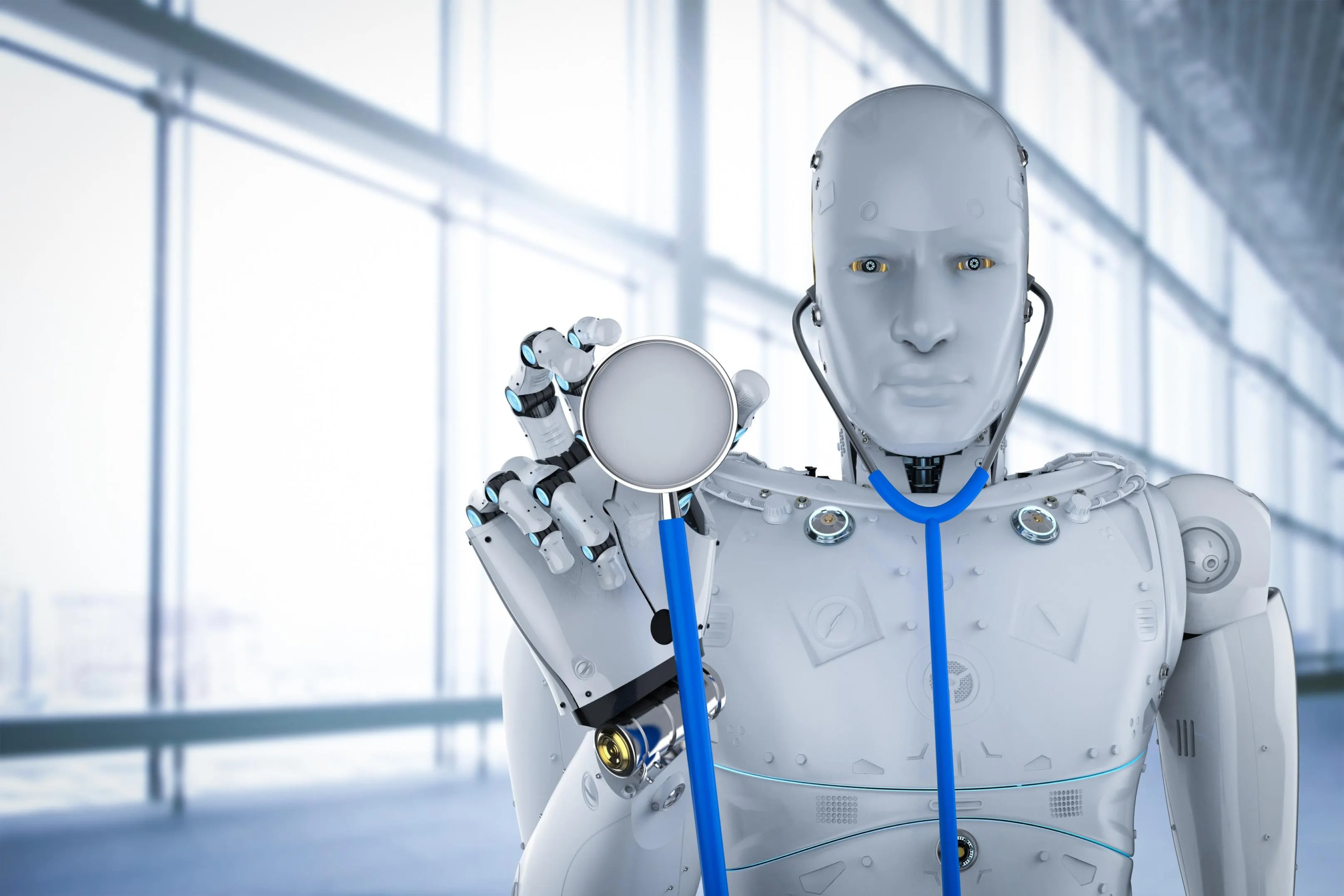
AI-driven virtual assistants now guide patients 24/7.
- Appointment scheduling
- Medication reminders
- Symptom checking
- Teleconsultation navigation
For instance, Babylon Health’s chatbot triages symptoms and recommends actions. Ada Health, Woebot, and Healthily offer mental health support, empowering users to manage mild anxiety and depression using conversational AI.
AI in Surgery: The Rise of Robotic Assistance
AI-powered robotic surgery platforms like Da Vinci, Mako, and the new NeuroArm are standard in advanced hospitals.
- Benefits: Greater precision, less bleeding, shorter recovery times, and fewer complications.
- AI capabilities: These robots learn from thousands of surgeries and offer real-time decision support to surgeons.
AI doesn’t replace surgeons but enhances their skill with data-guided precision and predictive analytics.
Drug Discovery and Development
Traditional drug discovery takes 10–15 years and billions of dollars. AI is slashing both time and cost.
- Protein folding: DeepMind’s AlphaFold cracked the protein folding puzzle, accelerating biomedical research.
- Molecule design: Startups like Insilico Medicine and BenevolentAI use generative AI to propose new drug compounds.
- Clinical trials: AI selects optimal participants, reducing dropout rates and increasing success probability.
During COVID-19, AI was instrumental in vaccine development by simulating virus behavior and identifying protein targets.
Administrative Automation
AI is quietly revolutionizing back-end operations:
- Medical transcription: NLP tools convert doctor-patient conversations into structured notes.
- Billing and coding: AI automates insurance claims, cutting down fraud and errors.
- Staff scheduling: Algorithms ensure better workforce utilization, especially during emergencies.
Hospitals save millions annually by using AI to streamline paperwork and compliance.

AI and Mental Health
AI tools like Woebot, Wysa, and Replika offer companionship and CBT-based interactions. These tools reduce stigma and provide instant support.
In 2025:
- AI identifies early signs of depression by analyzing speech, tone, and behavior.
- Sentiment analysis detects suicidal ideation in teens and alerts caregivers.
- Wearables monitor mood patterns using biometric signals like heart rate variability and sleep quality.
This approach doesn’t replace therapy but bridges gaps in access and response time.
Ethical, Legal, and Bias Concerns
AI in healthcare raises serious questions:
- Data privacy: How secure is sensitive patient data?
- Bias in algorithms: AI trained on biased datasets may misdiagnose or mistreat underrepresented groups.
- Regulation: Regulatory bodies like the FDA now fast-track AI approvals, but oversight remains complex
As AI becomes more involved in life-and-death decisions, explainability and transparency are critical.
The Future: AI as the Doctor’s Right Hand
Rather than replacing doctors, AI acts as a superpowered assistant:
- Real-time clinical decision support
- Continuous learning from global databases
- Minimized diagnostic error
In 2025 and beyond, AI is not the future of healthcare — it’s the present reality. However, human empathy, ethical judgment, and patient trust still lie in the hands of physicians. The winning formula is human + machine, not machine over human.
Conclusion
AI is delivering on its promise in healthcare with astonishing results. As the technology matures, it’s crucial that AI applications are guided by ethics, inclusivity, and evidence-based practices. Whether it’s cancer diagnosis, robotic surgery, or mental health support, the fusion of artificial intelligence and human intelligence is redefining what’s possible in modern medicine.