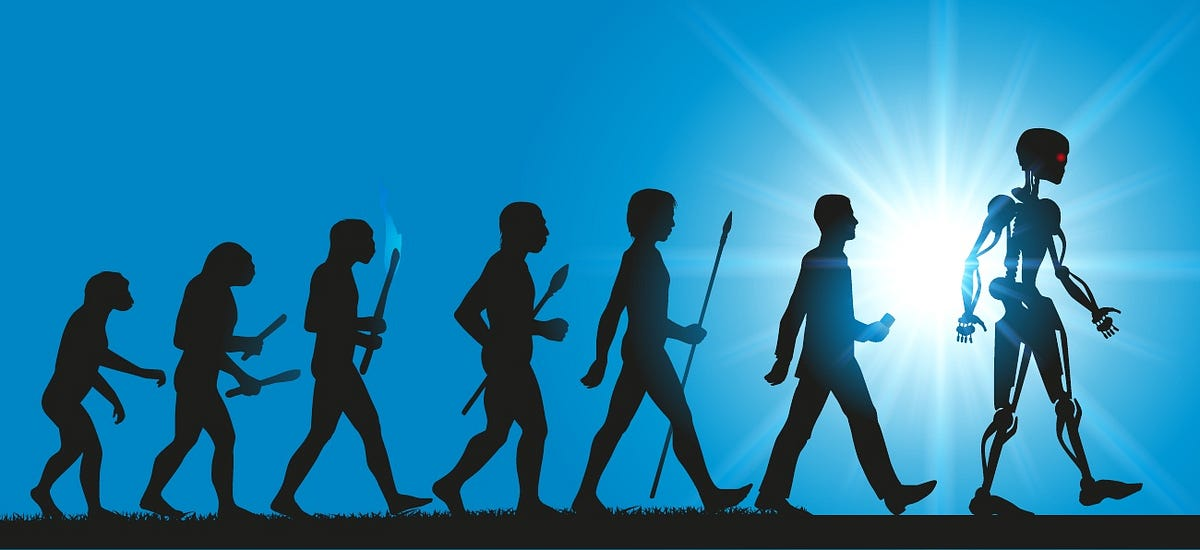
The Evolution of Media Relations in a Digital World


The media landscape has undergone a radical transformation in the digital age. Traditional newsrooms have shrunk, citizen journalism has emerged, and digital platforms have democratized content creation. In this new terrain, the role of media relations in Public Relations (PR) has evolved from pitching to partnerships—from press releases to conversations.
Today, effective media relations demand agility, relevance, and a deeper understanding of how digital platforms influence perception. This article explores how the relationship between PR professionals and the media has adapted to meet the demands of an increasingly fast-paced, fragmented world.
From Gatekeepers to Collaborators
In the past, media professionals served as gatekeepers to public attention. Securing coverage in a few select outlets could define a brand’s visibility. However, with the rise of blogs, podcasts, newsletters, streaming platforms, and influencer channels, the idea of a central “gatekeeper” has been dissolved.
Modern PR recognizes journalists, content creators, and digital publishers as collaborators rather than just conduits. Relationships are now built on value exchange—offering meaningful content, timely data, or expert perspectives that enrich the media’s offering to their audience.
The Digital Press Kit
One of the most visible shifts in media relations is the way information is shared. While press releases still play a role, today’s media professionals prefer access to concise, visually engaging, and multimedia-ready content.
A digital press kit might include:
- High-resolution images and videos
- Executive bios and quotes
- Infographics or quick facts
- Downloadable brand assets
- Links to social media channels or product demos
Making it easy for journalists to tell a compelling story is key in a world where deadlines are tighter and attention spans shorter.
The Rise of Real-Time Communication
News cycles have shifted from daily to hourly. Social media drives instant reactions, and stories can break and evolve within minutes. PR professionals must now operate in real-time, responding swiftly to inquiries, correcting misinformation, and capitalizing on opportunities.
Live events, virtual press briefings, and instant updates have replaced lengthy email threads and scheduled phone calls. Speed, accuracy, and tone are more important than ever in maintaining credibility and securing timely coverage.
Nurturing Relationships Beyond the Pitch
Transactional media outreach no longer suffices. Building long-term relationships with journalists and content creators involves:
- ⦁ Understanding their beat and audience
- ⦁ Sharing resources and exclusive insights
- ⦁ Offering story ideas not directly tied to self-promotion
- ⦁ Being a reliable source, even when no coverage is expected
In the digital world, where personal brands of journalists are just as visible as the publications they write for, treating media professionals as stakeholders—rather than tools—is essential.

Influencers and Non-Traditional Media
Traditional journalists are now joined by influencers, YouTubers, streamers, and independent content creators. These voices often command highly engaged, niche audiences that rival or exceed those of legacy media.
PR strategies now encompass outreach to:
- Social media influencers
- Independent bloggers or analysts
- Podcast hosts
- Thought leaders on LinkedIn or Substack
The key is relevance. These individuals value authenticity and alignment with their brand, making relationship building more personal and story-driven.
Metrics and Measurement
The shift to digital has also changed how media coverage is measured. It’s no longer just about reach or ad value equivalents. Today, PR professionals look at:
- Engagement rates
- Backlinks and SEO impact
- Sentiment analysis
- Social sharing and audience interaction
- Referral traffic to websites or platforms
These data points provide deeper insights into how stories are received, how they shape public opinion, and how they drive action.
Ethical Considerations and Transparency
As the line between editorial and sponsored content blurs, maintaining ethical media relationships is critical. Journalists and audiences alike are wary of undisclosed brand involvement or manipulative storytelling.
Modern media relations uphold transparency, respect journalistic independence, and prioritize truthfulness. Failing to do so can damage both reputations and relationships. The evolution of media relations reflects the broader transformation of communication itself. From static to interactive, from one-way to conversational, and from centralized to decentralized—media in the digital age is complex and dynamic.
For PR professionals, success lies not just in securing coverage, but in fostering trust, relevance, and collaboration. By adapting to this new media ecosystem, PR can remain a powerful force in shaping public narratives, engaging in engaging, and building enduring visibility in a noisy world.