Injury Prevention and Recovery: Advances in Sports Medicine

Introduction
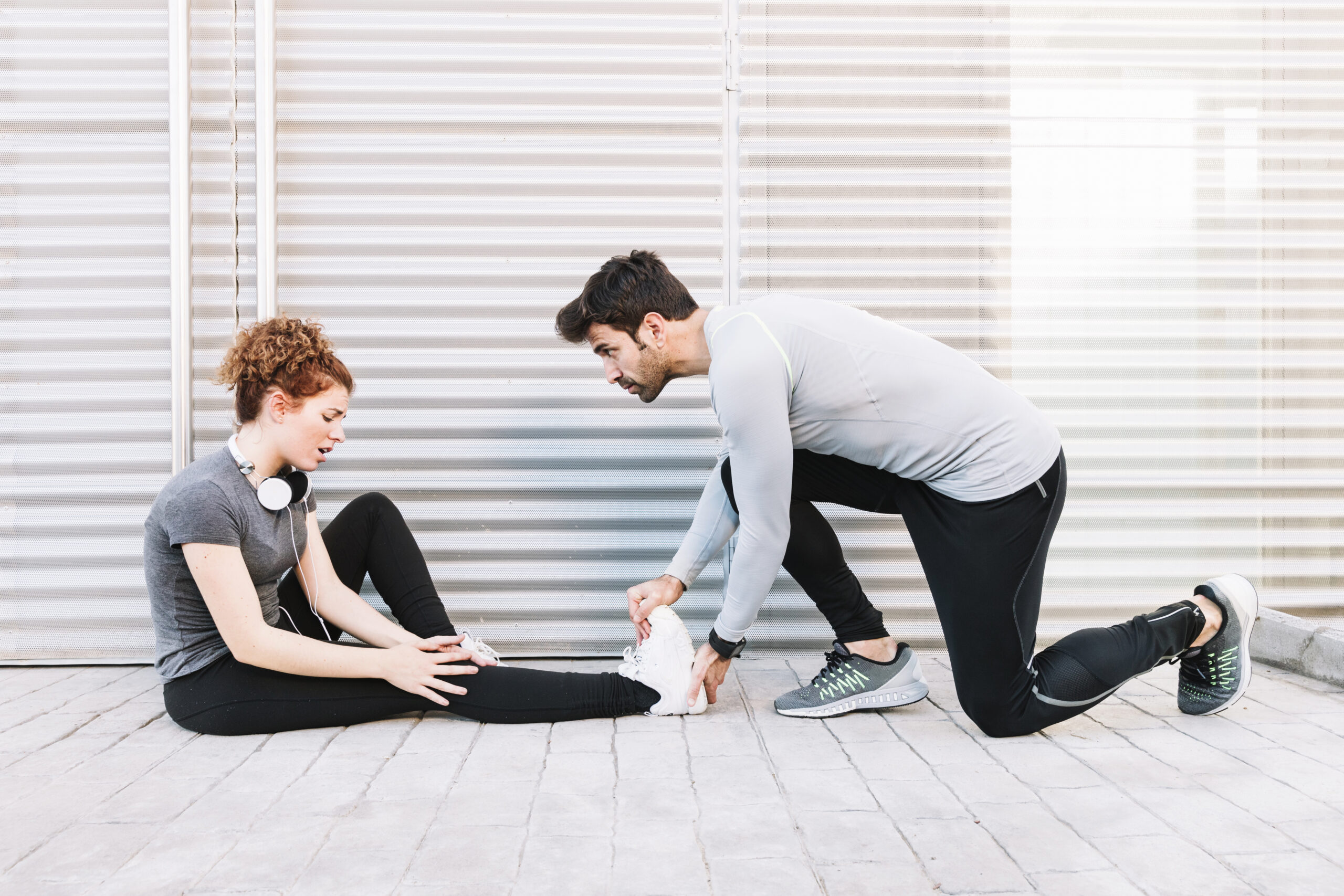
Injuries are an inherent risk in sports, but recent advances in sports medicine are dramatically improving prevention, diagnosis, and recovery processes. Cutting-edge technologies and holistic approaches help athletes return to peak performance faster and more safely than ever before.
Prevention Through Technology and Training
Modern injury prevention starts with data. Wearable devices monitor load, movement patterns, and fatigue levels to identify early warning signs of overuse or imbalance. Biomechanical analysis helps correct improper techniques that increase injury risk.
Strength and conditioning programs are now tailored individually, incorporating flexibility, proprioception, and neuromuscular control exercises. Educating athletes on rest, nutrition, and recovery emphasizes injury avoidance.
Innovations in Diagnosis
Imaging techniques such as MRI and ultrasound provide detailed views of soft tissue and bone, aiding early and accurate diagnosis. Advances in biomarkers and genetic testing may soon predict susceptibility to specific injuries.
Artificial intelligence assists radiologists by analyzing scans faster and with greater precision.
Regenerative Therapies and Rehabilitation
New treatments like platelet-rich plasma (PRP) injections and stem cell therapy promote natural healing in tendons, ligaments, and cartilage, reducing downtime.
Rehabilitation integrates physical therapy with psychological support, recognizing the mental challenges athletes face during recovery. Virtual reality and biofeedback tools enhance motivation and functional training.
Multidisciplinary Approach
Effective injury management involves collaboration among physicians, physiotherapists, trainers, nutritionists, and psychologists. This team approach optimizes outcomes and reduces recurrence.
Advances in sports medicine empower athletes to prevent injuries proactively and recover more efficiently. Continued innovation and education are vital to safeguarding athlete health and extending careers.